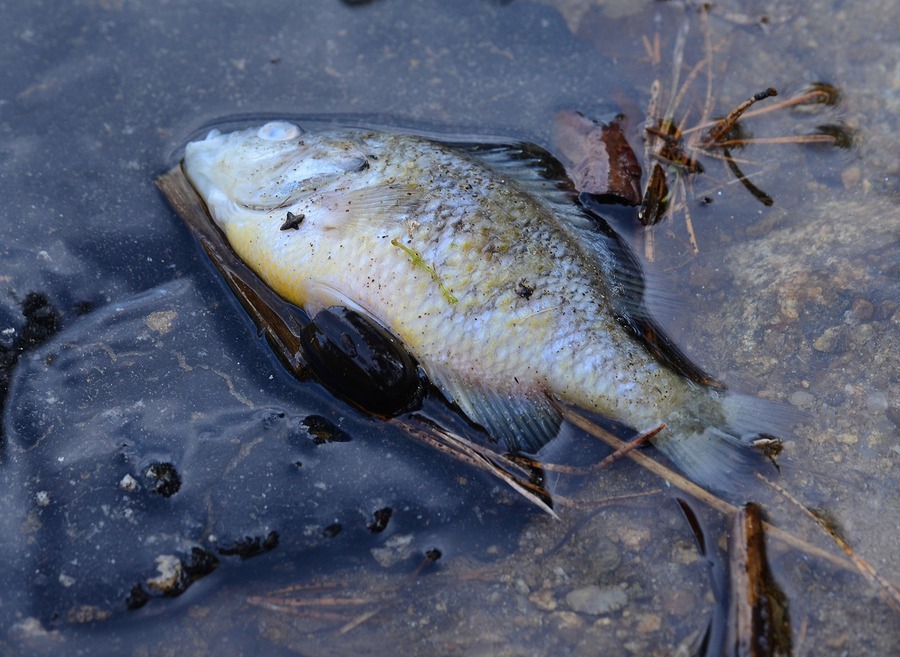
Spring fish kills are a common concern for pond and lake owners across Michigan as winter transitions into warmer weather. Finding fish along the shoreline can be alarming, but in most cases, these events are linked to predictable seasonal changes. With a clear understanding of the causes and a proactive management plan, property owners can greatly reduce fish loss and protect long-term water quality.
Why Spring Fish Kills Happen
Michigan winters often bring extended ice cover and heavy snow accumulation. These conditions place significant stress on aquatic ecosystems. Most spring fish kills are tied to low dissolved oxygen, seasonal water mixing, post winter fish stress, and unbalanced fish populations.
-
Low Oxygen After Ice OutThroughout winter, ice and snow restrict the natural exchange of oxygen between the water and the atmosphere. Meanwhile, leaves, algae, and other organic materials continue to decompose beneath the surface. This ongoing decomposition consumes dissolved oxygen.
By late winter, oxygen levels may already be dangerously low, particularly in shallow ponds. When ice melts and water temperatures begin to rise, fish that have endured months of environmental stress may not survive the sudden change. Smaller ponds are especially vulnerable because they hold less total oxygen. -
Spring Turnover and Oxygen DepletionTemperature layering also plays a major role. During winter, ponds form separate water layers based on temperature. As surface water warms in early spring, it begins mixing with colder bottom water in a natural process known as turnover.
Bottom water often contains very little oxygen after winter. When mixing occurs, oxygen levels can drop quickly throughout the entire pond. Without adequate circulation, this rapid shift may lead to widespread fish stress or mortality. -
Post Winter Stress and DiseaseFish typically enter spring in weakened condition. Limited feeding during winter, combined with environmental strain, reduces immune response. As water warms and spawning activity begins, fish use additional energy reserves.
This added stress can increase susceptibility to bacterial and fungal infections. When disease pressure overlaps with low oxygen conditions, fish mortality becomes more likely. -
Fish Population ImbalanceFishery balance significantly influences how well a pond handles seasonal transition. Overstocked ponds create competition for limited food resources. Fish that enter winter in poor condition are less likely to survive early spring oxygen fluctuations.Maintaining appropriate predator to forage ratios strengthens overall ecosystem stability. Predator species such as largemouth bass rely on forage fish like fathead minnows and golden shiners. Too many forage fish increase total biomass and oxygen demand. Too few forage fish weaken predator health. Balanced fisheries are better equipped to withstand seasonal stress.
How to Reduce the Risk of Spring Fish Kills
Although weather patterns cannot be controlled, proper lake and pond management can dramatically reduce the likelihood of spring fish loss.
-
Install a Properly Designed Aeration System: Aeration is one of the most effective tools for maintaining adequate dissolved oxygen. Bottom diffused aeration systems circulate water, reduce temperature layering, and limit the severity of spring turnover. Operating aeration during winter can also help maintain an opening in the ice, supporting oxygen exchange during extended freeze periods.
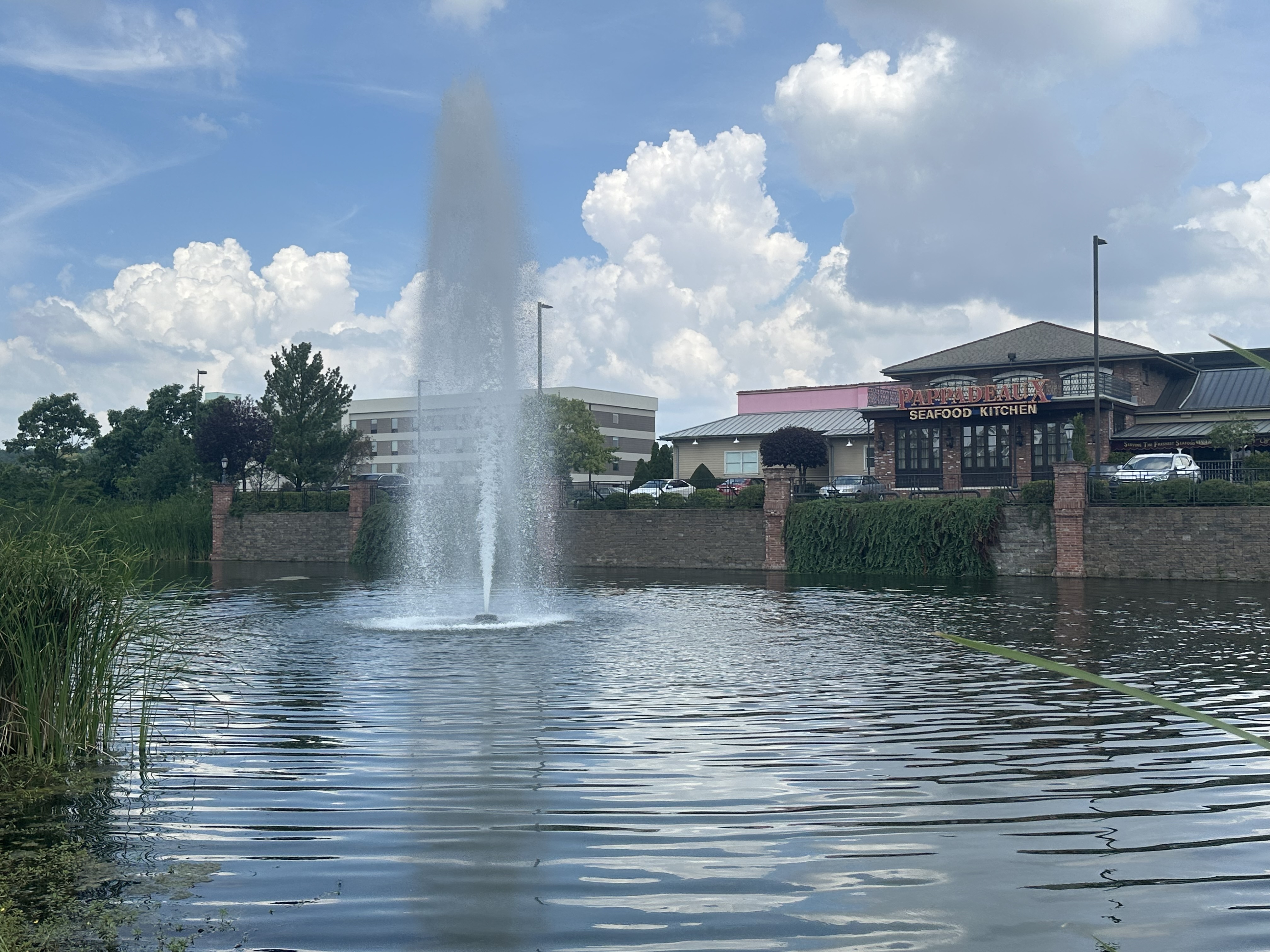
Surface aerators and fountains increase circulation and oxygen levels while enhancing the appearance of the water body. Proper system sizing based on pond depth and surface area is essential for effective performance. Savin Lake Services offers flexible aeration leasing options, making this important investment more manageable and budget-friendly for your pond or lake. -
Manage Nutrient Levels: Excess nutrients, particularly phosphorus and nitrogen, fuel algae growth. When algae die and decompose, oxygen is consumed in the process. Elevated nutrient concentrations increase the risk of oxygen depletion during seasonal transitions.
Reducing fertilizer runoff, stabilizing shorelines, limiting organic debris, and applying phosphorus control products can help manage nutrient inputs. Beneficial bacteria programs may also assist in breaking down accumulated organic matter. Lower nutrient levels support more stable oxygen conditions and clearer water. - Address Sediment Buildup: Over time, ponds accumulate nutrient-rich sediment and organic muck. This buildup increases oxygen demand and reduces overall water depth, making ponds more vulnerable to rapid temperature and oxygen changes.
Professional dredging can restore depth, remove excess nutrients, and improve long-term water quality. Older ponds that experience recurring fish kills often benefit from sediment removal.
-
Monitor Water Quality: Routine testing of dissolved oxygen, pH, and nutrient levels allows for early identification of potential problems. Shallow ponds under eight feet deep require especially close monitoring during late winter and early spring.
-
Fish Population Management: Strategic fish stocking also supports long-term ecosystem balance. Maintaining proper predator to forage ratios and supplementing forage annually can improve fish health and distribute biomass more evenly.
Protect Your Michigan Pond with Professional Management
Spring fish kills are often the result of predictable environmental stress, but they are frequently preventable with a science-based management plan. Aeration, nutrient control, sediment management, and balanced fisheries work together to support year-round pond stability.
Early action is essential. Monitoring oxygen levels, reducing nutrient buildup before algae blooms develop, and maintaining healthy fish populations help prevent costly damage and protect your investment. Savin Lake Services provides customized pond and lake management solutions designed for Michigan waterbodies. From aeration system installation and nutrient management programs to dredging and fish stocking, our team delivers practical, long-term strategies that strengthen ecosystem health.
If you want to reduce the risk of spring fish kills and ensure your pond is prepared for the season ahead, contact Savin Lake Services to schedule a professional assessment. Proactive management today leads to healthier water tomorrow.
About Savin Lake Services, A Jones Lake Management Partner
Savin Lake Services is a leading provider of lake and pond management services, delivering expert solutions in aquatic plant management, aeration, hydraulic dredging, mechanical harvesting, water quality monitoring, fisheries management, and shoreline stabilization. As a Jones Lake Management Partner, our team is dedicated to protecting and enhancing waterbodies for HOAs, municipalities, golf courses, and private lake owners. With a focus on sustainability and science-based strategies, Savin Lake Services ensures that lakes and ponds remain healthy, functional, and aesthetically pleasing year-round. Visit us at www.lakeandpond.com