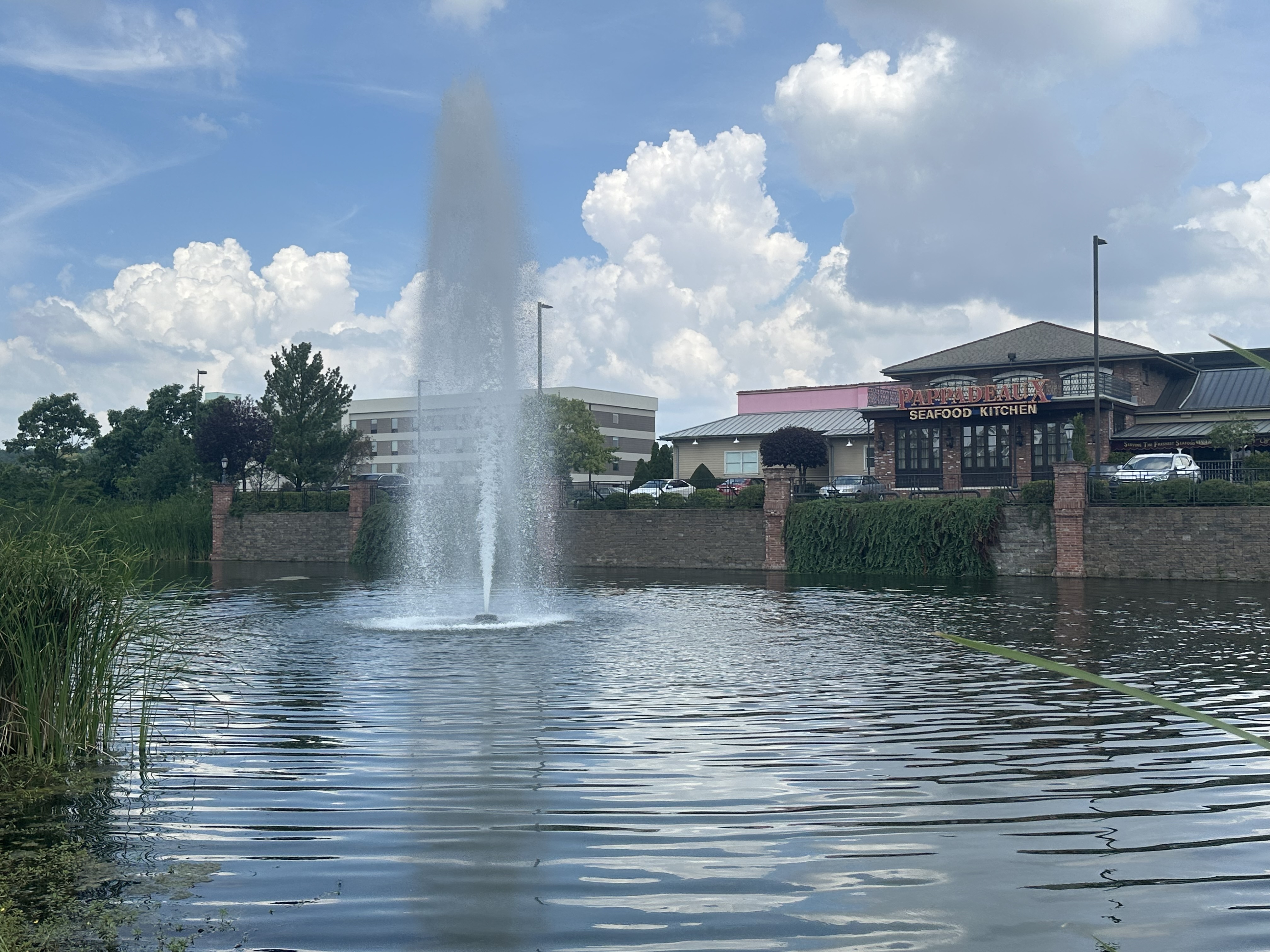
If your lake or pond feels shallower than it used to, or if you’re battling frequent algae blooms, chances are you’re dealing with sediment trouble zones. Over time, soil runoff, organic debris, and leaves sink to the bottom and build up as pond muck. These problem areas reduce depth, lower water clarity, and create breeding grounds for algae and weeds. Learning how to identify and manage them is key to keeping your waterbody healthy, clear, and enjoyable.
What Are Sediment Trouble Zones?
Sediment trouble zones are areas where muck, silt, and debris naturally collect. They usually form in spots with:
- Shallow water or poor circulation
- Shoreline erosion or stormwater inflows
- Accumulated organic debris like leaves and plant matter
Left untreated, these zones become nutrient hotspots, releasing phosphorus and nitrogen that fuel algae blooms, reduce oxygen levels, and stress fish populations.
Identifying Sediment with Lake and Pond Surveys
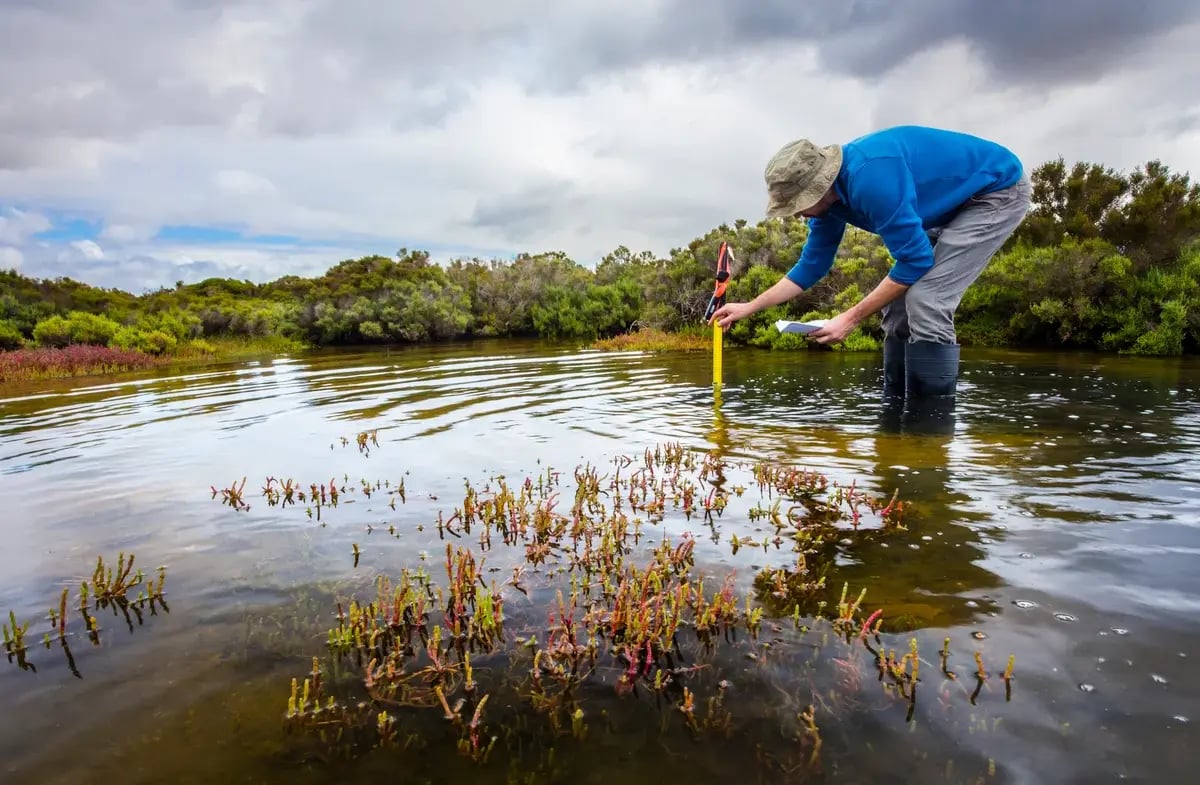
The most effective way to spot sediment trouble zones is with a depth and sediment survey. During a survey, measurements are taken across the pond or lake to show exactly how much sediment has built up and where it’s concentrated.
For example, one private lake survey revealed areas where sediment made up nearly 15% of total volume—explaining why the lake had become shallower and more difficult to enjoy for boating and fishing.
Surveys reveal:
- Current depth and sediment thickness
- High-risk muck “hotspots”
- Whether sediment is increasing year after year
- If dredging or other treatments are needed
This information takes the guesswork out of pond sediment management and helps homeowners make the right investment to restore their waterbody.
Reducing Sediment Impacts with Nutrient Control
Even if sediment isn’t visible, nutrients inside it can keep fueling algae growth. That’s why controlling nutrients is just as important as removing muck. Practical strategies include:
- Installing shoreline buffers with native plants to filter soil and fertilizer runoff
- Adding aeration systems to improve oxygen and slow nutrient release
- Managing upstream fertilizer and erosion sources to prevent more buildup
With better nutrient control, you’ll see clearer water, healthier fish, and fewer algae outbreaks.
When Dredging Is the Best Option
If sediment accumulation is severe, the most effective long-term solution is hydraulic dredging.
Dredging benefits include:
- Restoring pond depth for fishing, boating, and swimming
- Permanently removing muck and nutrient-rich sediment
- Enhancing water clarity and circulation
- Increasing property value with a cleaner, healthier waterbody
Because surveys pinpoint where sediment is worst, dredging projects can be focused, cost-effective, and long-lasting.
Long-Term Sediment Management
To keep your pond or lake in great condition, ongoing care is essential. Regular sediment surveys, water quality testing, and aeration system maintenance help track changes and prevent future problems.
Final Thoughts
Sediment trouble zones can quietly reduce depth, harm water clarity, and fuel algae growth in your pond or lake. With professional surveys, nutrient reduction strategies, and dredging when needed, you can restore your waterbody and enjoy it for years to come.
About Savin Lake Services, A Jones Lake Management Partner
Savin Lake Services is a leading provider of lake and pond management services, delivering expert solutions in aquatic plant management, aeration, hydraulic dredging, mechanical harvesting, water quality monitoring, fisheries management, and shoreline stabilization. As a Jones Lake Management Partner, our team is dedicated to protecting and enhancing waterbodies for HOAs, municipalities, golf courses, and private lake owners. With a focus on sustainability and science-based strategies, Savin Lake Services ensures that lakes and ponds remain healthy, functional, and aesthetically pleasing year-round.