When colder weather settles over Michigan, lakes and ponds begin to experience shifts that can impact water quality and overall ecosystem health. Proper winter pond management protects your waterbody from seasonal stress and prepares it for a strong start once spring arrives. From invasive species removal to aeration adjustments, following a winter checklist helps prevent costly issues and supports long-term pond health.
Here is a guide to the most important winter pond maintenance tasks to complete this season.
1. Invasive Species Cutting and Removal
Many Michigan ponds and wetlands face challenges from invasive emergent plants such as hybrid cattails and phragmites. As these plants die back in late fall, they leave behind thick layers of decaying vegetation that add excess nutrients to the water. Cutting and removing invasive growth before winter helps limit nutrient buildup, reduce shoreline congestion, and improve spring water clarity. Routine removal is an important part of aquatic weed control and supports a healthier, more balanced pond ecosystem.


2. Diffuser Placement for Winter Aeration
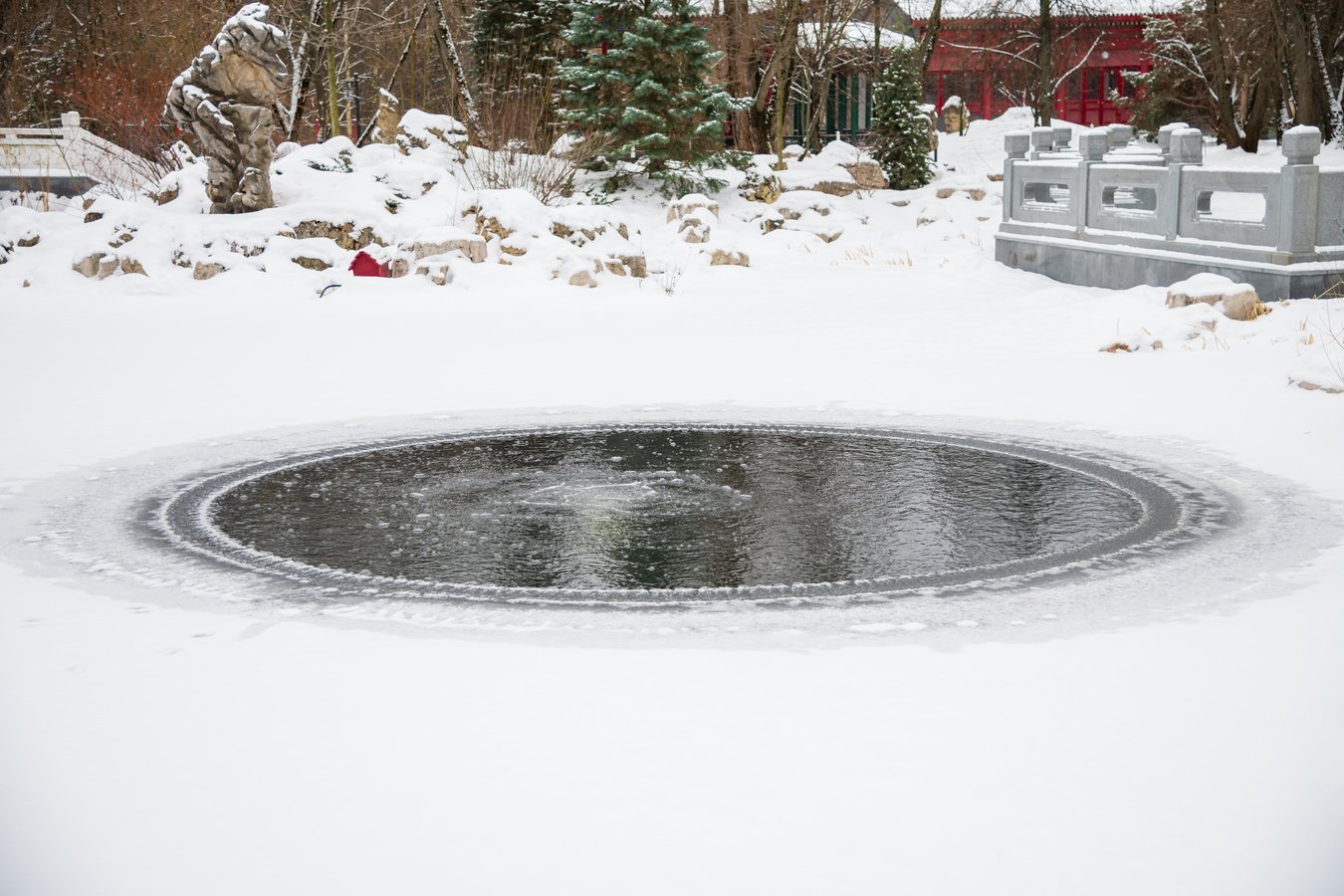
If your pond uses diffused aeration, adjusting diffuser placement before the ice forms is essential. In the summer months, diffusers sit in deeper water to maximize circulation. During winter, they should be moved to shallower areas to prevent the entire water column from supercooling. This protects fish from stress and maintains open pockets of water for gas exchange. Proper winter aeration helps your pond stay stable and oxygenated throughout the cold season.
3. Fish Stocking
Fall and spring are excellent times for fish stocking in Michigan ponds. Adding forage species like minnows supports predator fish through winter and strengthens the overall food chain. Many pond owners also introduce cool water species such as trout, which thrive in colder temperatures and help maintain a balanced fishery. Fall and spring stocking prepares your pond for improved fish growth and better fishing conditions in the coming year.
.jpeg?width=2000&name=shutterstock_408782017%20(1).jpeg)
4. Fountain Winterization or Diffuser Support
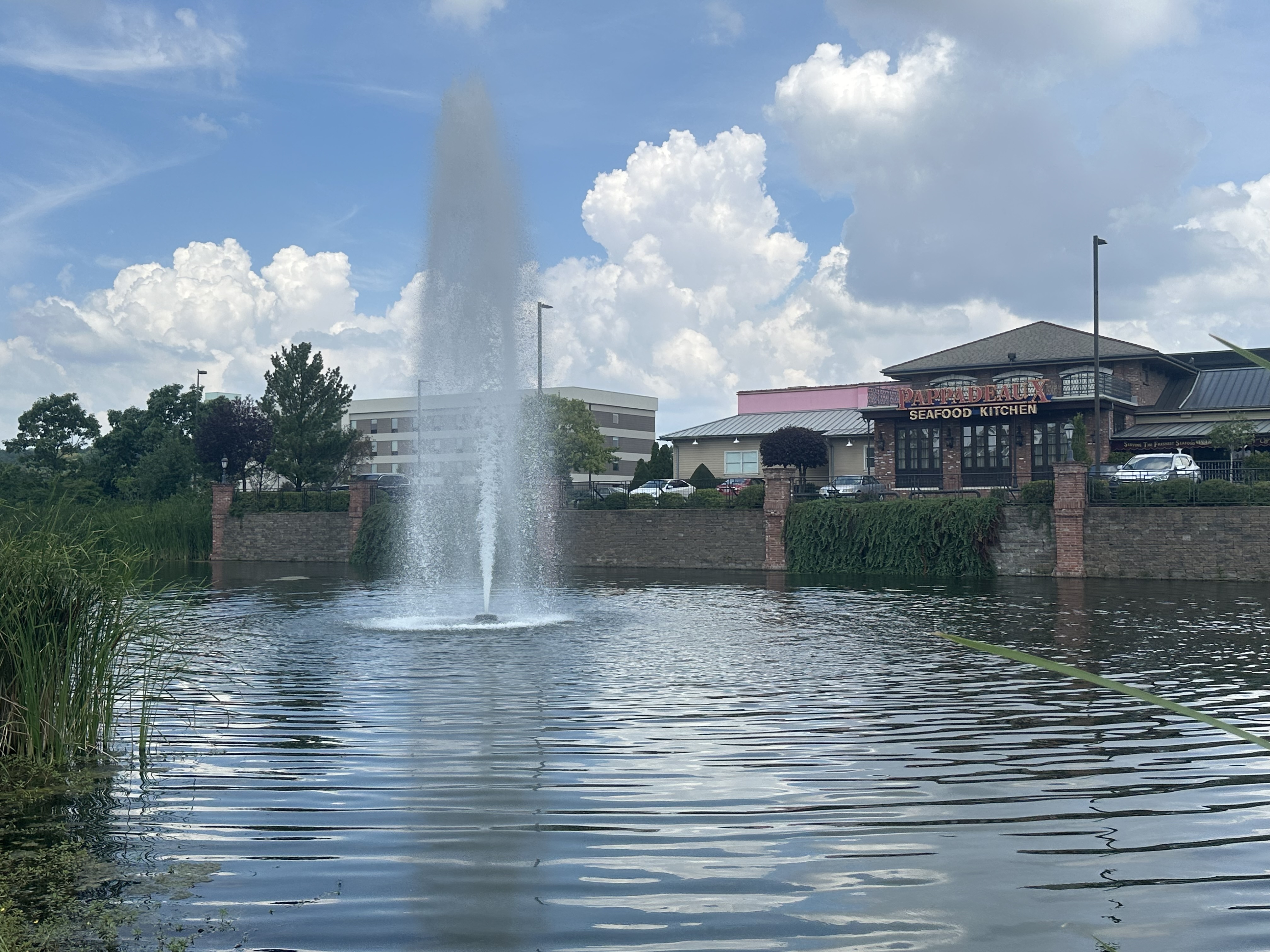
To prevent freeze damage, floating fountains should be removed in most parts of Michigan before winter. This is the best time to clear debris, inspect cords and components, and complete pump oil and seal servicing every three years. Some pond owners choose to keep fountains in place by positioning a diffuser underneath to maintain a small open water area. Always confirm manufacturer guidelines before leaving a fountain installed during freezing conditions.
5. Targeted Hydraulic Dredging
Winter often provides ideal conditions for targeted hydraulic dredging. With vegetation at its lowest growth stage, access improves and work can progress efficiently. Removing sediment restores depth, reduces nutrient accumulation, and limits the conditions that lead to spring algae and weed problems. Dredging also improves shoreline accessibility and supports the long-term function of your pond.


6. Nutrient Management with Bacteria and Phosphorus Binding
Winter is a valuable time to reduce nutrients that drive algae growth. Beneficial bacteria help break down organic matter that accumulates beneath the ice. In ponds with elevated phosphorus levels, phosphorus-binding products can help limit algae's main food source. Winter nutrient management supports clearer and healthier water when temperatures rise in the spring.
Final Thoughts
A proactive winter maintenance plan helps protect your pond throughout Michigan's coldest months and prevents avoidable issues in spring. Invasive removal, aeration adjustments, fish stocking, dredging, fountain care, and nutrient management all play important roles in supporting a healthy waterbody. With the right steps now, your pond will enter spring cleaner, clearer, and prepared for the year ahead.
About Savin Lake Services, A Jones Lake Management Partner
Savin Lake Services is a leading provider of lake and pond management services, delivering expert solutions in aquatic plant management, aeration, hydraulic dredging, mechanical harvesting, water quality monitoring, fisheries management, and shoreline stabilization. As a Jones Lake Management Partner, our team is dedicated to protecting and enhancing waterbodies for HOAs, municipalities, golf courses, and private lake owners. With a focus on sustainability and science-based strategies, Savin Lake Services ensures that lakes and ponds remain healthy, functional, and aesthetically pleasing year-round. Visit us at www.lakeandpond.com