Michigan Lake Dredging & Sediment Control
Sediment buildup is one of the most common challenges facing lake and pond owners across Michigan. From Oakland County to Northern Michigan, natural processes and stormwater runoff gradually fill in waterbodies, reducing depth, degrading water quality, and fueling algae and weed growth.
While lake dredging in Michigan is often considered the ultimate fix, proactive sediment management can significantly delay, or even prevent, the need for costly dredging projects.
What Causes Sediment Buildup in Michigan Lakes?
Michigan’s seasonal weather patterns play a major role in sediment accumulation. Heavy spring rains, snowmelt, and shoreline erosion all contribute to sediment entering lakes and ponds.
Common causes include:
-
Stormwater runoff carrying soil and nutrients
-
Fertilizer and phosphorus loading
-
Decaying aquatic plants and leaves
-
Shoreline and watershed erosion
Over time, this leads to pond sedimentation, creating shallow zones that promote excessive aquatic plant growth and harmful algal blooms, two of the most common complaints among Michigan lakefront property owners.
Proactive Sediment Reduction Strategies
The most effective way to manage sediment in Michigan lakes and ponds is to stop it before it settles. Implementing the right lake management practices can extend the life of your waterbody and reduce long-term costs.
1. Watershed & Stormwater Management
Managing runoff is critical in Michigan due to frequent precipitation. Installing buffer strips, rain gardens, and erosion control measures can significantly reduce sediment inflow.
2. Lake Aeration Systems in Michigan
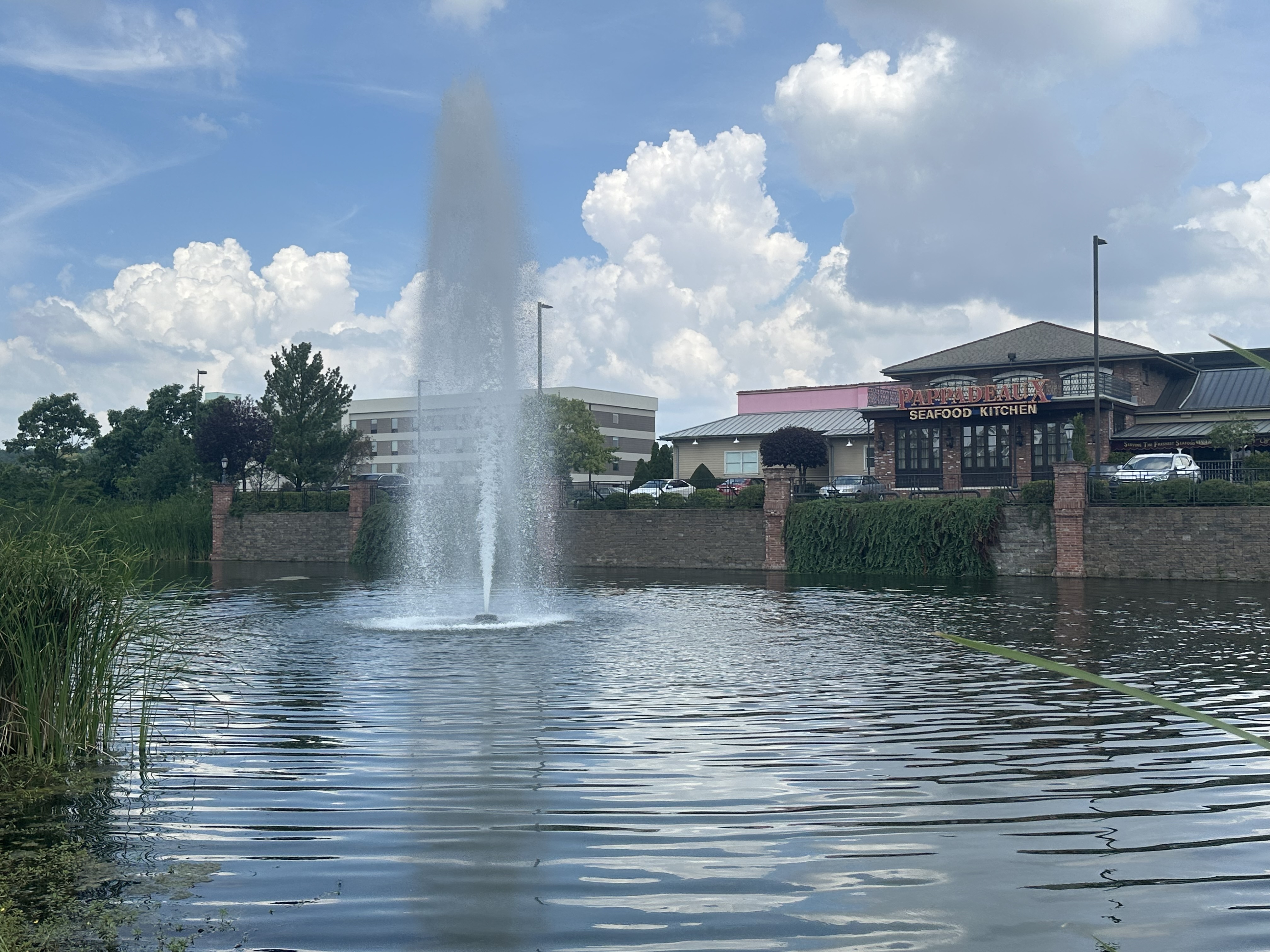
Lake aeration improves oxygen levels, which helps break down organic material on the pond bottom. Aeration systems are a proven solution for reducing muck and improving overall water quality.
3. Beneficial Bacteria for Ponds
Biological treatments use beneficial bacteria to digest organic sludge naturally. These are especially effective during Michigan’s warmer months when microbial activity is highest.
4. Routine Debris Removal
Leaves, algae, and plant debris are major contributors to sediment. Regular removal prevents excess organic buildup and supports long-term pond health.
5. Shoreline Stabilization
Eroding shorelines are a leading source of sediment in Michigan lakes. Solutions like riprap, native vegetation, and bioengineering techniques help protect banks and reduce soil loss.
When Is Dredging Necessary in Michigan?
Even with strong management practices, sediment accumulation can eventually reach a point where dredging is required. Signs include:
-
Noticeably reduced water depth
-
Increased algae blooms and weed growth
-
Poor fish habitat and low oxygen levels
-
Excessive muck buildup
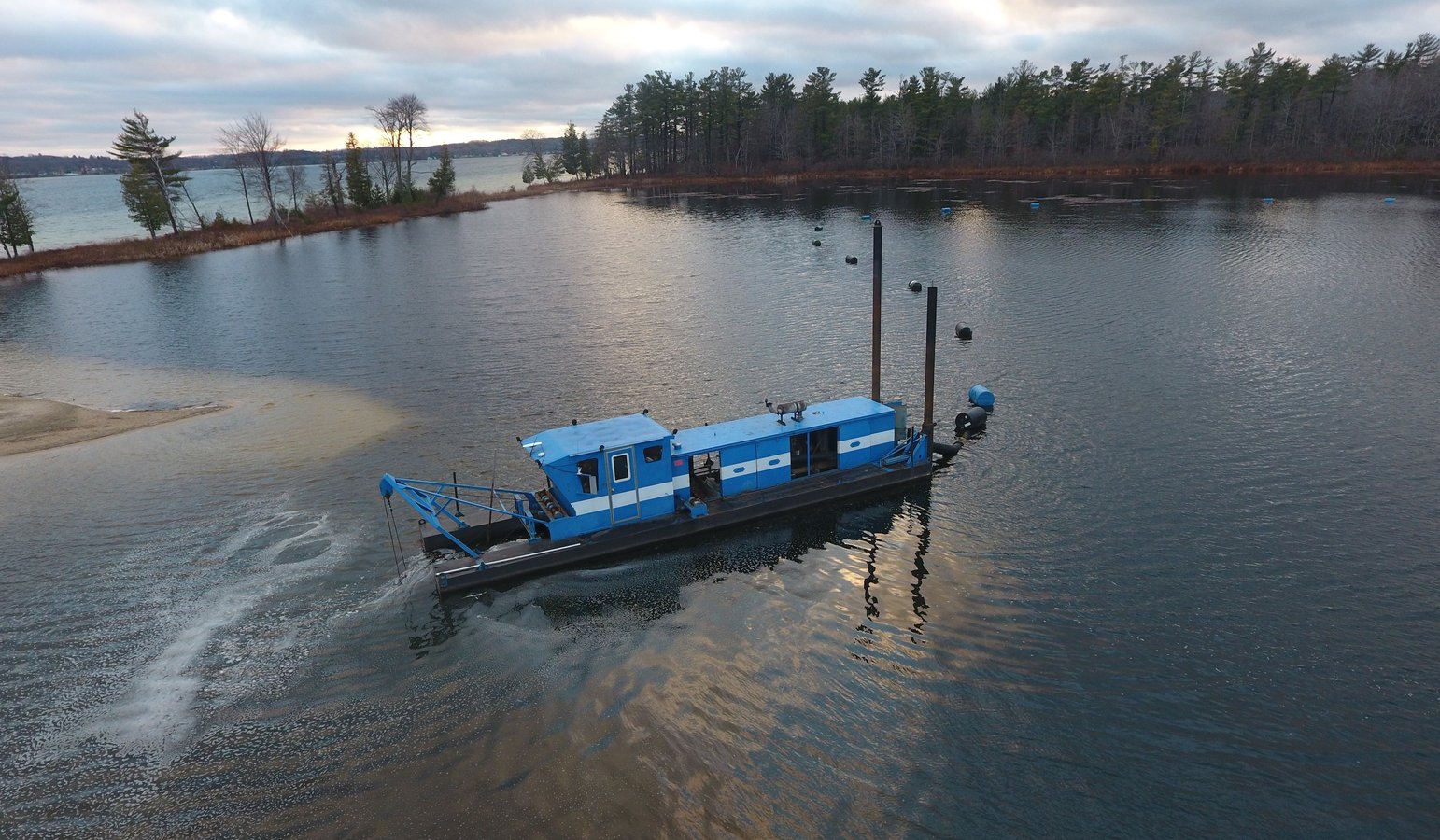
In many cases, spot dredging in Michigan lakes can address problem areas such as inlets or shallow coves without the cost of full-scale dredging. This targeted approach restores depth and improves circulation where it’s needed most.
However, when sediment is widespread, full lake dredging services in Michigan may be necessary to fully restore the waterbody.
The Cost of Lake Dredging in Michigan
Lake dredging is a significant investment. Some key cost factors include:
-
Volume of sediment to be removed
-
Accessibility of the site
-
Sediment disposal requirements
-
Permitting and EGLE regulations
Because of these variables, planning ahead is essential. Proactive pond and lake management can delay dredging for years, saving substantial costs over time.
A Smarter Approach to Lake Management
The best results come from combining preventative sediment control with long-term planning. Investing in aeration, bacteria treatments, and erosion control today can extend the lifespan of your Michigan lake or pond.
At the same time, dredging should be viewed as a strategic reset, not a failure. Whether through targeted spot dredging or full restoration, it can dramatically improve water quality and usability when paired with ongoing maintenance.
Final Thoughts
If your Michigan lake or pond is becoming shallower, experiencing algae blooms, or accumulating muck, now is the time to act.
By implementing proven solutions like lake aeration systems, beneficial bacteria, and sediment control strategies, you can protect your investment and improve water quality for years to come.
And if dredging is on the horizon, early planning will ensure a smoother, more cost-effective restoration process, keeping your waterbody healthy, functional, and enjoyable.
About Savin Lake Services, A Jones Lake Management Partner
Savin Lake Services is a leading provider of lake and pond management services in Michigan, delivering expert solutions in aquatic plant management, aeration, hydraulic dredging, mechanical harvesting, water quality monitoring, fisheries management, and shoreline stabilization. As a Jones Lake Management Partner, our team is dedicated to protecting and enhancing waterbodies for HOAs, municipalities, golf courses, and private lake owners. With a focus on sustainability and science-based strategies, Savin Lake Services ensures that lakes and ponds remain healthy, functional, and aesthetically pleasing year-round. Visit us at www.lakeandpond.com