Michigan Pond Fish Management: Rebuild Your Fish Population
A healthy pond is more than a beautiful feature on your property, it's a balanced aquatic ecosystem that supports healthy fish, clean water, and enjoyable recreation. Across Michigan, private pond owners, HOA communities, golf courses, and commercial properties rely on healthy fisheries to provide excellent fishing and long-term environmental value.
Over time, however, fish populations can become unbalanced. Too many predator fish, limited forage species, habitat loss, or declining water quality can all lead to smaller fish, poor fishing success, and an unhealthy pond. Fortunately, rebuilding your pond's fish population is possible with professional fisheries management, fish stocking, and habitat improvements.
Signs Your Michigan Pond Needs Fishery Management
Fish population problems often develop slowly, making them easy to overlook until fishing quality noticeably declines. Common warning signs include:
-
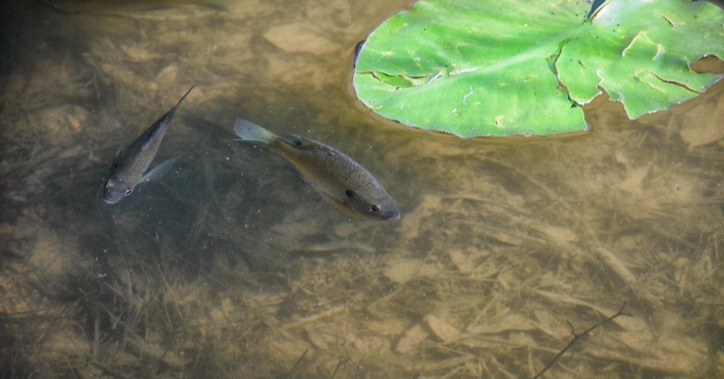
Catching mostly small bass or bluegill
-
Declining numbers of fish over time
-
Thin or slow-growing fish
-
An overabundance of one fish species
-
Reduced spawning success
-
Increased algae growth or declining water quality
-
Unwanted fish species becoming more common
Michigan ponds experience significant seasonal changes, making regular fish population monitoring especially important for maintaining a balanced ecosystem.
Start with a Professional Fisheries Assessment
Before stocking additional fish, it's essential to understand what's already living beneath the surface.
A professional fisheries assessment provides valuable insight into your pond's overall health and helps determine the best course of action. Savin Lake Services uses fisheries management techniques, including electrofishing surveys when appropriate, to evaluate:
-
Fish species present
-
Population balance
-
Fish size distribution
-
Predator-to-prey ratios
-
Overall fish health
-
Habitat quality
Rather than simply adding more fish, a fisheries assessment allows for science-based management recommendations tailored to your Michigan pond.
Improve Fish Habitat for Long-Term Success
Healthy fish require healthy habitat. Creating diverse underwater structure provides areas for spawning, feeding, and protection while improving overall fish survival.
Habitat improvements may include:
-
Installing fish attractors and habitat structures
-
Creating spawning beds
-
Enhancing shoreline habitat
-
Preserving beneficial aquatic vegetation
-
Managing invasive aquatic plants
-
Improving dissolved oxygen through pond aeration
Habitat improvements also increase forage opportunities, helping fish grow faster while supporting a healthier aquatic food chain.
Fish Stocking That Supports Balance
Fish stocking is one of the most effective ways to restore an unbalanced pond—but only when it's done strategically.
Depending on your pond's goals, stocking plans may include:
-
Largemouth bass
-
Bluegill
-
Redear sunfish
-
Channel catfish
-
Yellow perch
-
Fathead minnows
-
Golden shiners
-
Black crappie (where appropriate)
Successful fish stocking depends on several factors, including pond size, water depth, existing fish populations, available habitat, and long-term fishing objectives.
Whether you're creating a trophy bass fishery or improving family fishing opportunities, stocking should always be part of a comprehensive pond management plan.
Water Quality Matters
Even the best stocking plan won't succeed if water quality is poor.
Michigan ponds benefit from routine water quality monitoring to identify issues before they affect fish health. Important factors include:
-
Dissolved oxygen
-
Nutrient levels
-
pH balance
-
Aquatic vegetation growth
- Algae management
Combining fisheries management with water quality improvements creates the conditions fish need to thrive throughout every season.
Maintain a Healthy Fish Population Year After Year
Restoring a fish population isn't a one-time project. Ongoing pond management helps maintain balance and prevents future problems.
Regular fisheries evaluations, responsible harvest practices, aquatic weed management, aeration, and periodic fish stocking all contribute to a healthier, more productive pond.
A proactive management approach allows pond owners to catch potential issues early while protecting both water quality and fish populations.
Partner with Michigan Fisheries Experts
Whether you own a private fishing pond, manage an HOA lake, oversee a golf course water feature, or care for a commercial property, rebuilding your fish population begins with understanding your pond's unique needs.
At Savin Lake Services, our fisheries biologists develop customized pond management plans that combine fish stocking, fisheries assessments, habitat improvements, and long-term lake management strategies designed specifically for Michigan ponds.
With expert guidance and ongoing management, you can restore balance, improve fishing success, and enjoy a healthier pond for years to come.
Ready to improve your Michigan pond? Contact Savin Lake Services today to schedule a fisheries assessment and create a customized fish stocking and pond management plan.
About Savin Lake Services, A Jones Lake Management Partner
Savin Lake Services is a leading provider of lake and pond management services in Michigan, delivering expert solutions in aquatic plant management, aeration, hydraulic dredging, mechanical harvesting, water quality monitoring, fisheries management, and shoreline stabilization. As a Jones Lake Management Partner, our team is dedicated to protecting and enhancing waterbodies for HOAs, municipalities, golf courses, and private lake owners. With a focus on sustainability and science-based strategies, Savin Lake Services ensures that lakes and ponds remain healthy, functional, and aesthetically pleasing year-round. Visit us at www.lakeandpond.com