A healthy Michigan pond starts with a balanced food web. While largemouth bass and other gamefish may get most of the attention, the smaller organisms and forage fish they depend on play an equally important role. Maintaining the right forage base can improve fish growth, support successful reproduction, and create better fishing opportunities.
At the bottom of the pond food web is phytoplankton, microscopic algae that support zooplankton and other aquatic organisms. Small fish and juvenile gamefish feed on these organisms, while larger predators consume minnows and other available prey. When each level of this food chain is productive, your Michigan pond or lake is better equipped to support a healthy fish population.
Why Forage Fish Matter in Michigan Ponds
Largemouth bass are predators that depend on an adequate supply of appropriately sized prey. In Michigan warmwater ponds, an established minnow population can provide an important food source for largemouth bass. Michigan State University Extension specifically identifies fathead minnows as a suitable forage option for bass ponds.
Without enough available forage, predator fish must expend more energy searching for food. Over time, increased competition can contribute to slower growth and make it more difficult to develop the productive fishery many Michigan pond owners want.
Supplemental forage fish stocking can help increase food availability and support a more balanced predator-prey relationship.
Fathead Minnows and Golden Shiners
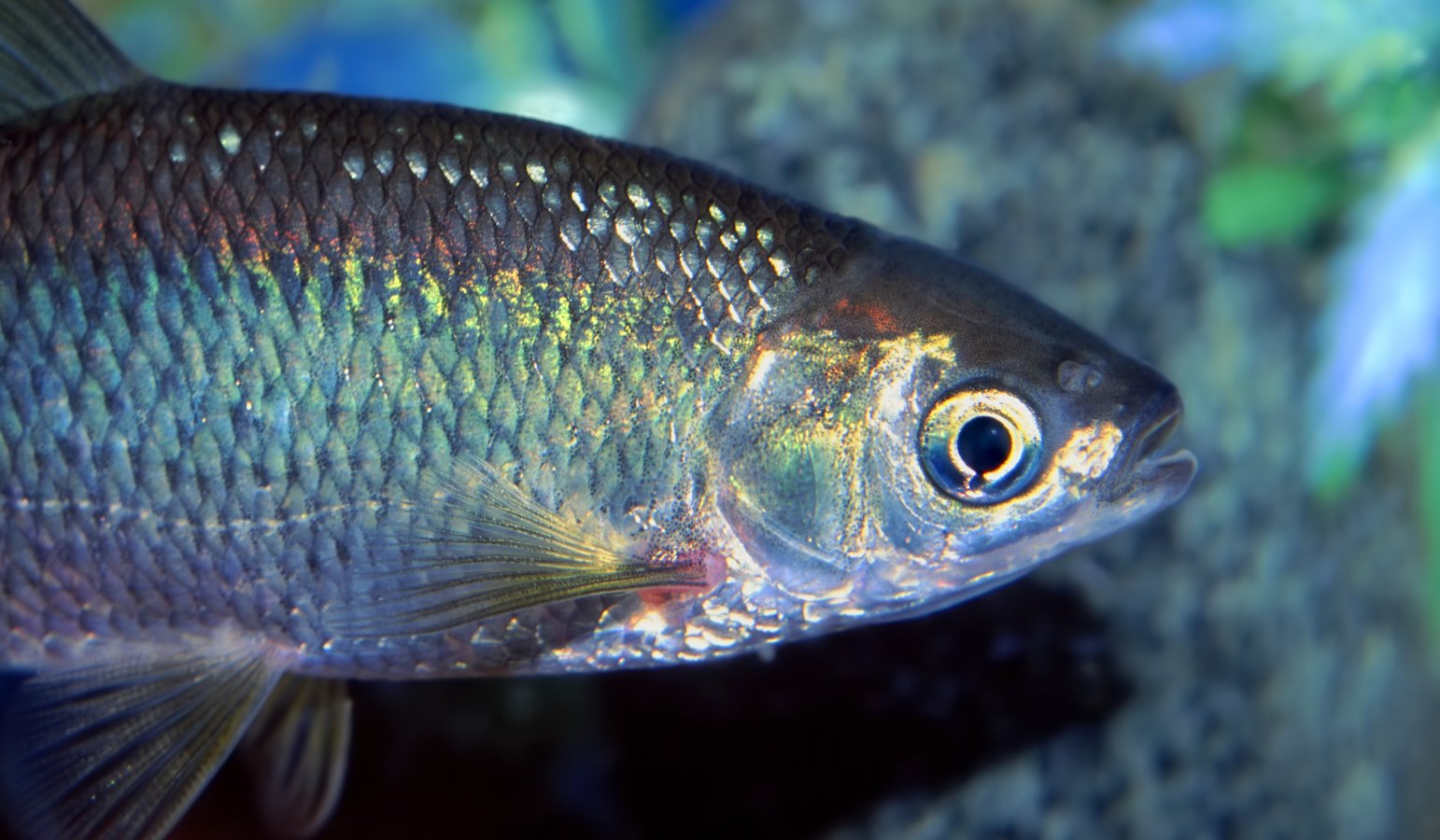
Two common options for Michigan pond fish stocking are fathead minnows and golden shiners. Michigan fisheries guidance has included both species as forage options in managed ponds, depending on the goals and existing fish community.
Fathead minnows provide smaller prey that can be consumed by young and adult predators. Golden shiners can provide additional forage across a broader range of sizes. Together, forage species can help reduce competition for available food and support better gamefish growth.
However, every pond is different. Existing fish populations, pond size, habitat, water quality, vegetation, and management goals should all be considered before developing a stocking plan.
Build a Stronger Forage Base
Forage management isn't only about adding more fish. The goal is to create a sustainable food source that matches the needs of your predator population.
For ponds with largemouth bass, establishing and maintaining adequate forage can help:
- Support healthier gamefish growth
- Reduce competition for available food
- Provide prey for different sizes of predator fish
- Promote a more balanced pond ecosystem
- Improve recreational fishing opportunities
For new or renovated Michigan bass ponds, establishing minnows before introducing bass can give forage fish an opportunity to reproduce and build their population.
When Should You Stock Forage Fish?
Spring and fall are excellent times to evaluate your pond's fish population and determine whether supplemental forage stocking may be beneficial.
Spring stocking can help provide food as fish activity increases with warming water temperatures. Fall is another opportunity to strengthen the forage base heading into Michigan's colder months and prepare the fishery for the following growing season.
Rather than relying on a one-size-fits-all stocking rate, a professional Michigan pond management plan should consider the existing predator-to-prey balance and the specific goals for the fishery.
Create a Healthier Michigan Fishery
A productive fishery begins long before you catch your first bass. Maintaining adequate forage, suitable habitat, good water quality, and a balanced fish population can help your pond reach its full potential.
Savin Lake Services can help Michigan pond and lake owners evaluate their fisheries and develop a fish stocking and pond management strategy based on the conditions of their waterbody.
If you're considering fish stocking for your Michigan pond, contact Savin Lake Services to discuss forage fish, stocking recommendations, and long-term fisheries management.
About Savin Lake Services, A Jones Lake Management Partner
Savin Lake Services is a leading provider of lake and pond management services in Michigan, delivering expert solutions in aquatic plant management, aeration, hydraulic dredging, mechanical harvesting, water quality monitoring, fisheries management, and shoreline stabilization. As a Jones Lake Management Partner, our team is dedicated to protecting and enhancing waterbodies for HOAs, municipalities, golf courses, and private lake owners. With a focus on sustainability and science-based strategies, Savin Lake Services ensures that lakes and ponds remain healthy, functional, and aesthetically pleasing year-round. Visit us at www.lakeandpond.com