As spring approaches in Michigan, lake and pond owners have an important chance to manage aquatic invasive species (AIS) before the peak summer growing season. Invasive plants, shoreline vegetation, and aquatic animals can spread quickly, disrupt ecosystems, and create expensive maintenance issues. Addressing these issues now lays the foundation for a healthier, more balanced waterbody heading into the 2026 management season.
Invasive Aquatic Plants
In Michigan, invasive aquatic plants such as Eurasian watermilfoil, hydrilla, curly-leaf pondweed, and starry stonewort are among the most problematic species. These plants form dense stands that crowd out native vegetation, restrict recreation, and degrade aquatic habitat.
Other invaders of concern include European frog-bit, water-primrose species, and Carolina fanwort, which block sunlight, reduce oxygen exchange, and rapidly displace native aquatic plants.


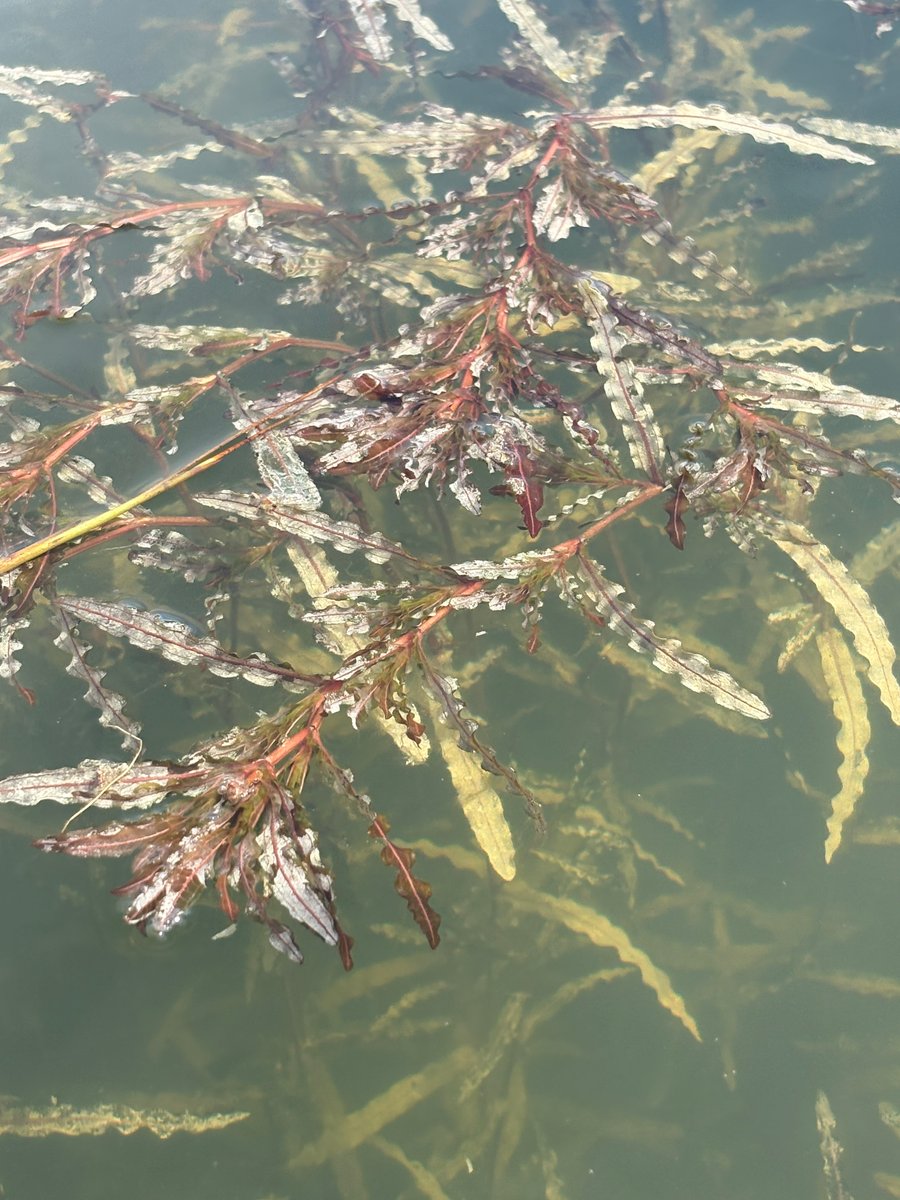


Monitoring invasive aquatic plants in spring is essential. Look for:
- Thick mats of submerged or floating vegetation
- Rapid or unusual plant growth
- Reduced water clarity or blocked sunlight penetration
Early-season targeted treatments, mechanical removal, or approved biological controls can reduce overgrowth complications and limit summer return.
Invasive Shoreline and Wetland Plants
Along Michigan’s shorelines and wetlands, species like phragmites (common reed), purple loosestrife, and cattails spread aggressively, displacing native vegetation and altering natural shoreline and wetland functions. These species can trap sediment, reduce open water zones, and make maintenance more difficult.


While late summer and fall are typically the most effective times to remove dead established stands of phragmites, purple loosestrife, and cattails, spring is an important window for early management. As these plants begin to regrow, targeted treatment can help suppress aggressive growth, limit their spread, and reduce the risk of shoreline takeover later in the summer. Early-season action also helps prepare dense stands for more effective removal later in the year.
Invasive Aquatic Animals
Aquatic invasive animals are another major threat. In Michigan’s lakes and ponds, species like zebra mussels, Quagga mussels, and rusty crayfish have established populations that disrupt ecosystems, outcompete native species, and damage infrastructure.




Regular monitoring helps detect early signs of infestation. Look for clusters of shells, unusual vegetation loss, or unexpected animal populations. Early intervention through mechanical removal or approved treatments helps reduce the cost and effort of control the 2026 season.
Planning Ahead for 2026 Maintenance
A proactive management plan is the best defense against invasive species. At Savin Lake Services, we recommend reviewing this season’s conditions, mapping infested areas, and scheduling early spring or late summer treatments for next year. Fall is also an ideal time to plan nutrient management, aeration upgrades, and shoreline stabilization projects that support long-term lake health.
Managing aquatic plants, shoreline vegetation, and animals this year is not just about reaction, but also about preparation. By acting now, you help protect water quality, reduce future maintenance costs, and maintain a resilient, balanced ecosystem.
By taking action this season, you can set the stage for a cleaner, healthier, and more vibrant lake or pond in 2026.
Contact Savin Lake Services today to schedule an inspection or request a 2026 maintenance estimate.
About Savin Lake Services, A Jones Lake Management Partner
Savin Lake Services is a leading provider of lake and pondmanagement services, delivering expert solutions in aquatic plant management, aeration, hydraulic dredging, mechanical harvesting, water quality monitoring, fisheries management, and shoreline stabilization. As a Jones Lake Management Partner, ourteam is dedicated to protecting and enhancing waterbodies for HOAs, municipalities, golf courses, and private lake owners. With a focus onsustainability and science-based strategies, Savin Lake Services ensures thatlakes and ponds remain healthy, functional, and aesthetically pleasingyear-round. Visit us at www.lakeandpond.com
Resources: Michigan Invasive Species, Jones Lake Management Aquatic Weed ID Guide, and Invasive Species Legislation